Concrete Contractor in Providence, RI - Slabs Built for Tight City Lots
Form & Finish New Bedford Concrete pours driveways, patios, steps, walks and foundations in Providence, RI. Our own crew does the dig-out, base, forms and finish, and I'm on site running every pour.
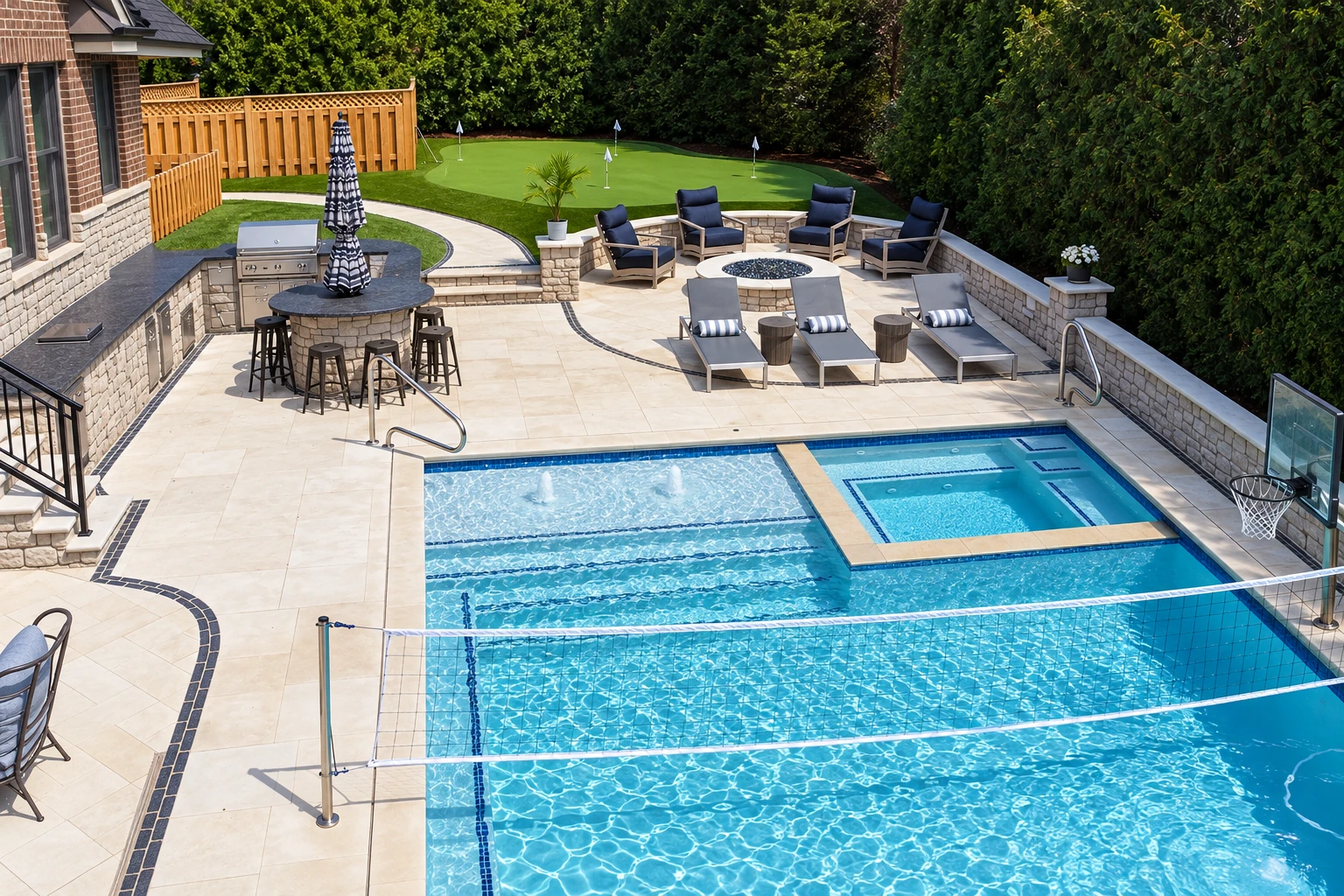
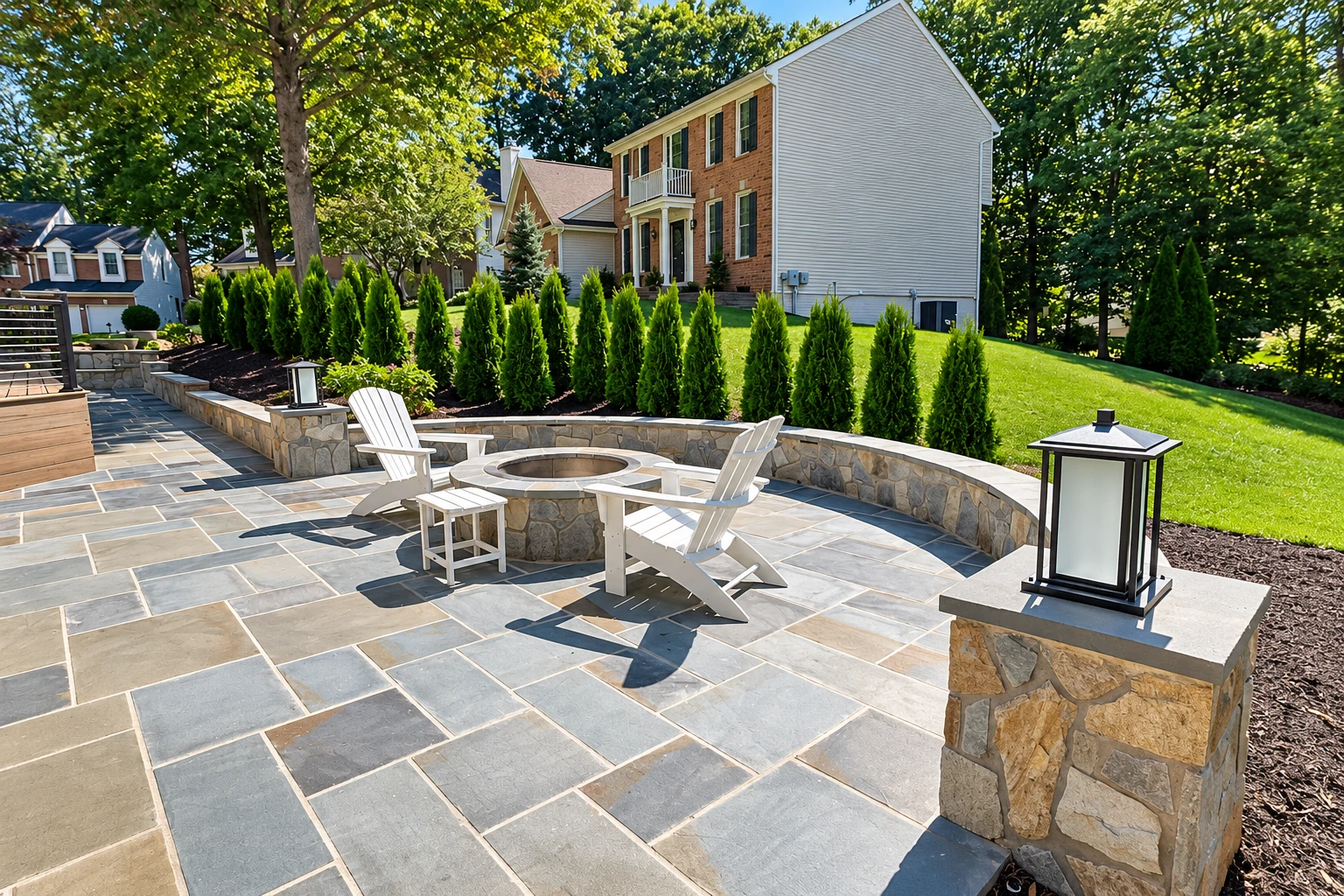
- Licensed and insured.
- Free estimates at your property.
- We respond within 1 business day.
Concrete work on Providence city lots
We're based in New Bedford and cross into Rhode Island for jobs in Tiverton and here in Providence. Most calls come from homeowners, along with landlords and small business owners who need a walk or a lot. Houses here are mostly older and set close together, so a driveway runs tight between two foundations, the backyard has room for one good patio, and the front steps on a two- or three-family house get used all day.
On a lot like that, the job is decided underneath. Price mostly follows how much old concrete comes out, how deep we dig to reach firm ground and how close the truck can park. The schedule follows any permit step and the weather on pour day. I put your figure in writing once I've seen what's under the old slab.
- Water pitched away from your foundation
- A dug-out, packed base, not raked dirt
- Joints cut where cracks should go
- A walk-through before we pack up
Concrete services we offer in Providence
Here's the concrete work we do on Providence homes, rentals and small business properties, from a single set of front steps to a new foundation.
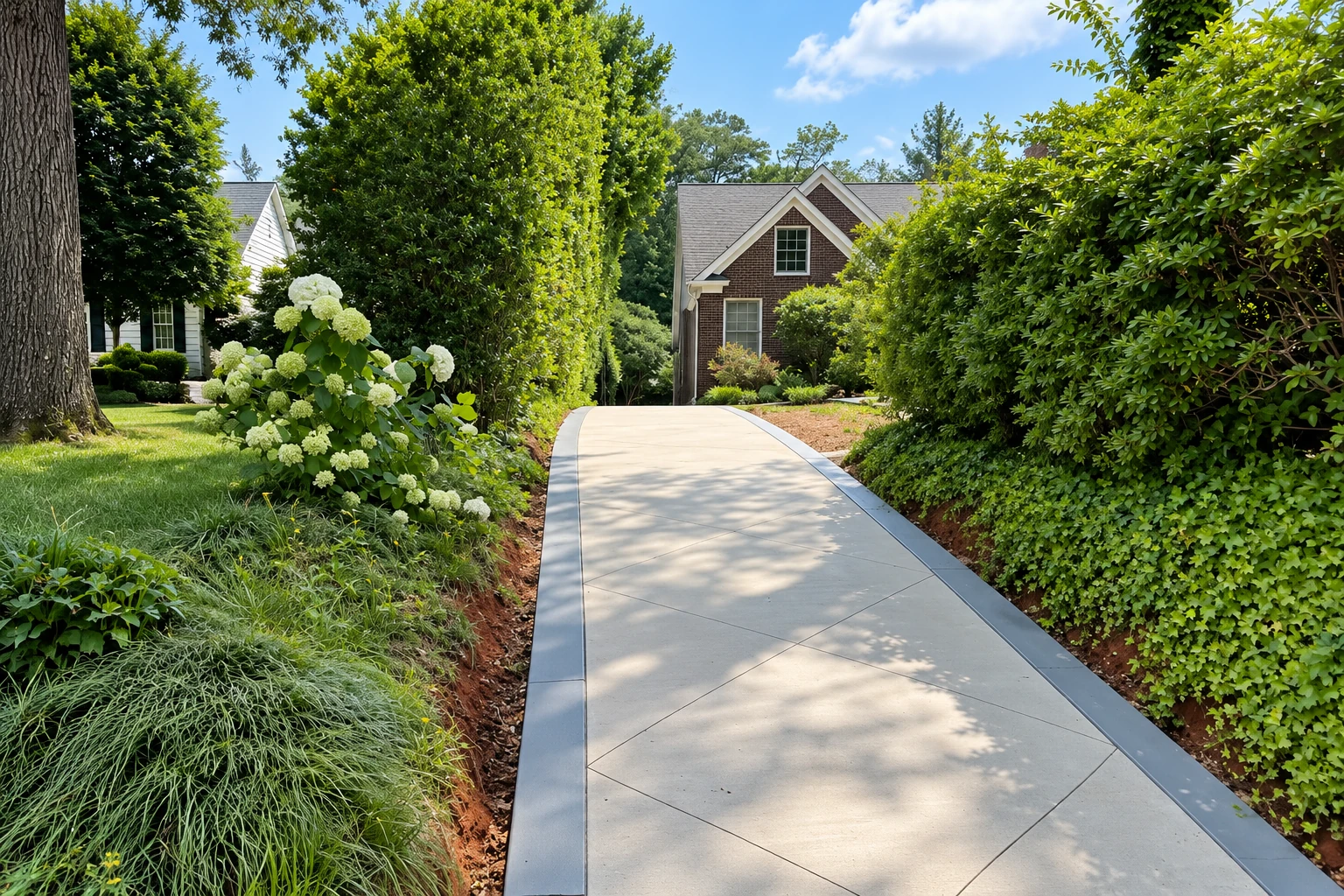
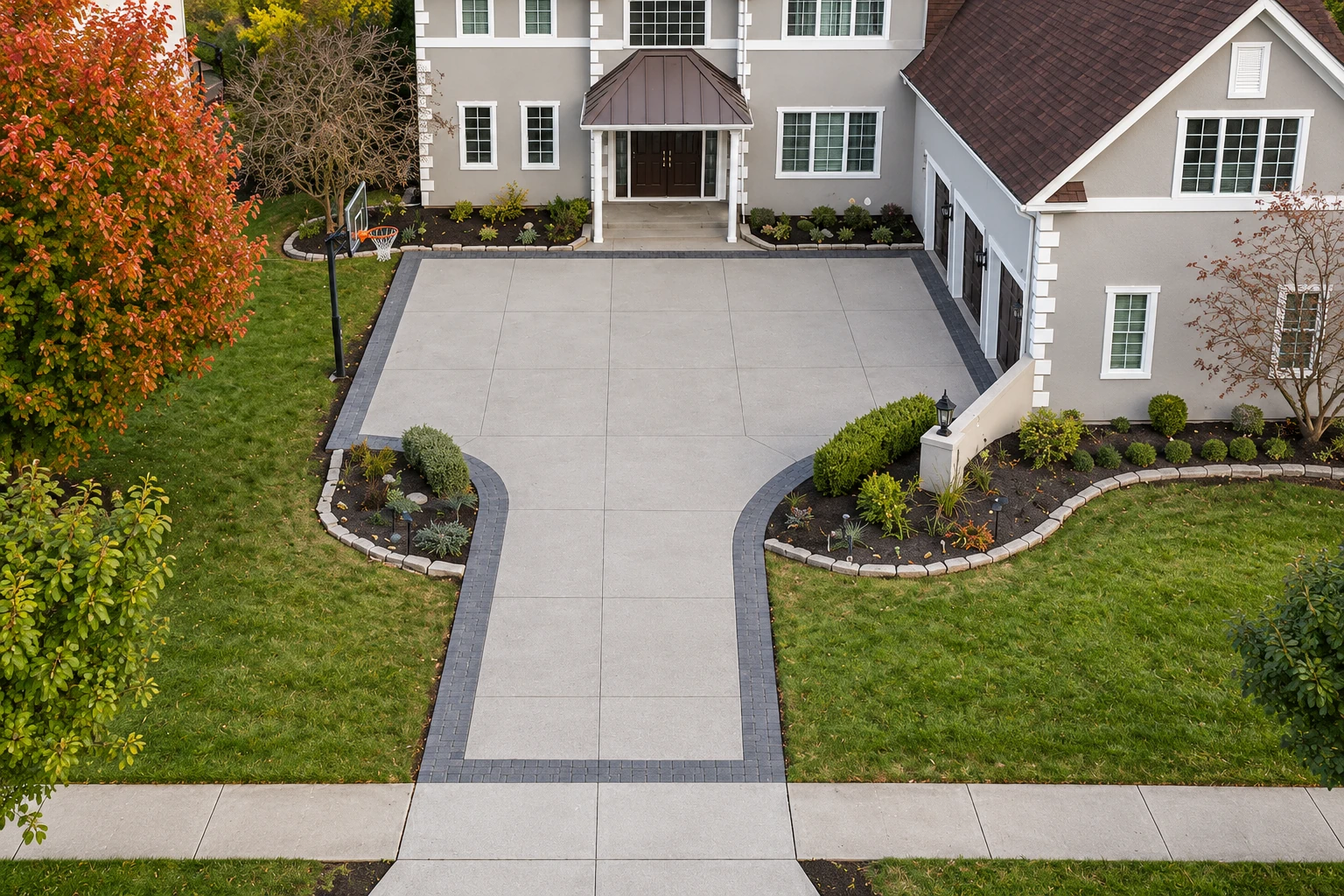
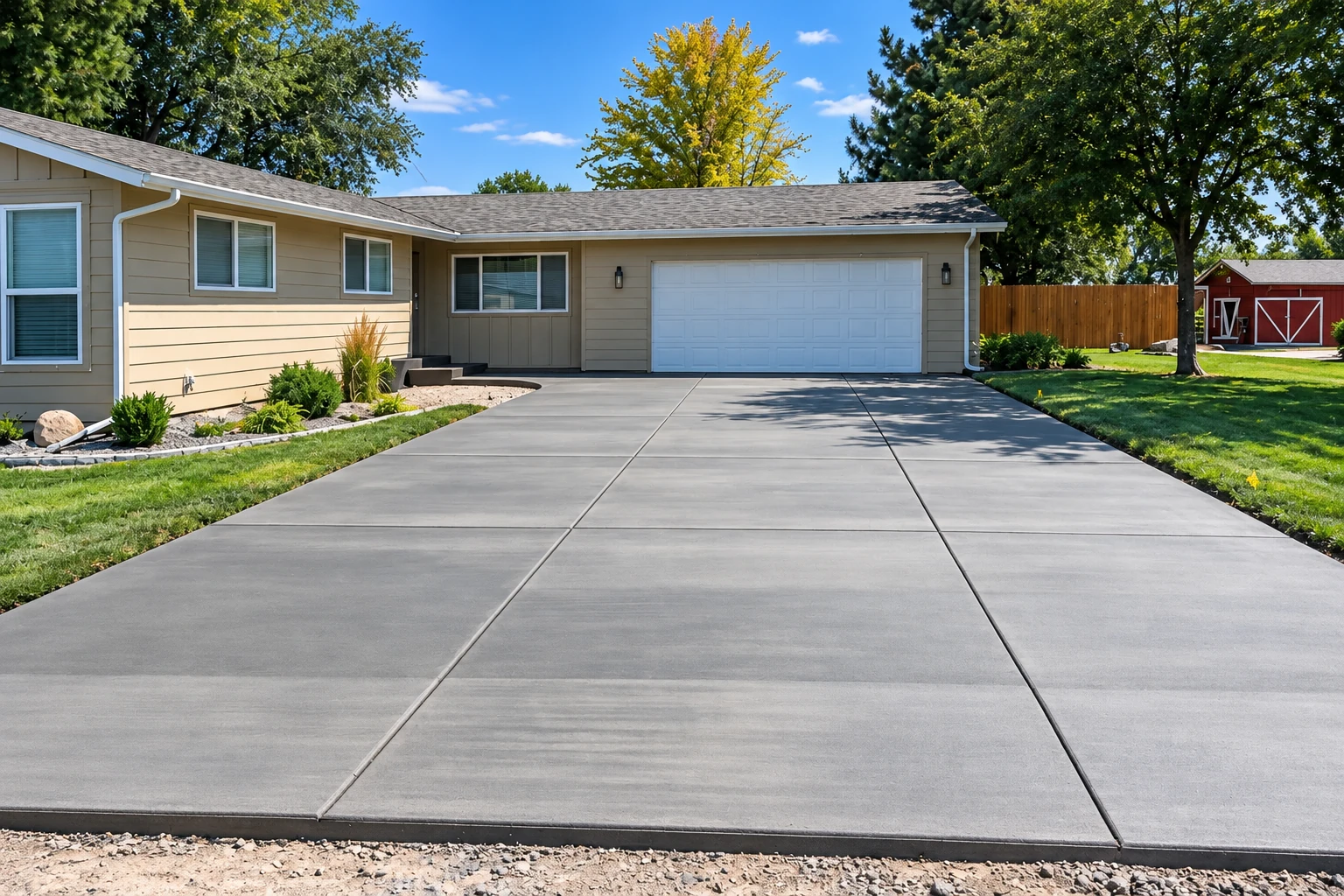
Concrete driveway building
A narrow driveway squeezed between two houses has to shed water to the street, not toward your foundation or the neighbor's, so we dig out and pitch each one.
Explore Concrete driveway buildingConcrete patio construction
Small city backyards usually have room for one good patio. We size it to the space, pack the base and slope it away from the back door.
Explore Concrete patio constructionStamped concrete services
Stamped concrete gives a city patio or front walk the look of brick or stone, and we put the same dug-out, packed base under it as plain concrete.
Explore Stamped concrete servicesConcrete sidewalk building
We replace heaved or broken front walks with a packed base and control joints, the shallow cuts that give the concrete a place to crack in a straight line.
Explore Concrete sidewalk buildingGarage floor concrete
Detached garages on older lots often have cracked, sunken floors, so we break out the old slab, rebuild what it sits on and pour a new one.
Explore Garage floor concreteDecorative concrete
Colored, scored or exposed-stone finishes suit an older house's entry or a small courtyard. I'll talk through how each one wears before you pick.
Explore Decorative concreteConcrete retaining walls
Where your yard sits below the street or a neighbor's lot, a poured wall holds the grade, with drainage behind it so water doesn't build up and push.
Explore Concrete retaining wallsConcrete floor installation
Basement and shop floors in older buildings are often thin or broken. We dig down to a firm subgrade, the ground the slab sits on, before we pour.
Explore Concrete floor installationConcrete pool decks
A pool deck on a tight lot has to drain away from the pool and the house, and a broom finish, a light brushed texture, keeps wet feet from slipping.
Explore Concrete pool decksConcrete steps construction
Front steps on a multi-family house carry everyone's comings and goings, so we form even step heights and set rebar, steel that holds the concrete together.
Explore Concrete steps constructionSlab foundation building
For an addition or a new garage, we check the lot's height and drainage first and settle where the slab should sit before anyone digs.
Explore Slab foundation buildingFoundation installation
New homes and additions here often go in between existing houses, so we plan the dig and the pour around the neighbors, the driveways and the street.
Explore Foundation installationConcrete parking lot building
Landlords and shop owners call us for lots behind their buildings. We grade each one so rain runs to the drains and away from the doors.
Explore Concrete parking lot buildingConcrete footings
Decks, porches and additions stand on footings, the concrete under each post or wall, and we dig them to the depth the plans call for on solid ground.
Explore Concrete footingsFoundation raising
When an older house has dropped at a corner or along one wall, I look for why first, then walk you through raising it and fixing the cause.
Explore Foundation raisingConcrete cutting
Cutting a doorway into a basement wall or a trench through a slab for new lines takes controlled cuts, and we keep the dust and debris contained.
Explore Concrete cutting
Ask for your Providence estimate
Tell us what you'd like poured and where. We reply within one business day to set up a free estimate at your property, with no pressure to book.
What Providence lots ask of a slab
Houses here sit close together and most have stood a long time, so the work is less about the pour and more about the ground, the water and the access.
Water between close houses
On a narrow lot, a slab that falls the wrong way sends water at somebody's foundation, so we check where water runs before we set the forms.
Old concrete, unknown base
Older slabs here often sit on loose fill. We break them out, dig to firm ground and pack a new base instead of pouring over the old one.
Steps the whole house uses
On two- and three-family houses, every tenant uses the front steps and walk, so we plan the pour to keep a way in open where we can.
City not listed here? Give us a call
Providence and Tiverton are our Rhode Island cities, and we work across the Massachusetts cities around New Bedford too. Pick yours from the list to read what we run into there, like Fall River.
If your city isn't on the list, call (508) 501-9902 and ask anyway. These are the cities with their own page, not the only places we'll take a job.
From your call to the finished pour
I keep the estimate simple because you should know what you're paying for, so I come out myself and write down the prep, the mix and what's included.
Get in touch
Call or send the form with a few lines about the job and the property, and we'll set a time for me to come see it.
I look at the site
I walk the property, check the old concrete, the grade and where water runs, and ask what you need the new slab to do.
Your written estimate
The estimate lists the prep, the mix and what's included. If you need a permit, city review often takes 5 business days for minor repairs, up to 30 for larger projects.
Pour and walk-through
We handle the permit paperwork we can file, plan the pour around the weather, and walk the finished job with you before we pack up.
Questions about concrete in Providence
How do I find out if my concrete job needs a permit in Providence?
Ask the city's Structures and Zoning division, which issues building permits and covers any repair, alteration or addition to a building. Work that needs no permit still has to meet the code, and some jobs also need a submittal to offices outside the city, such as the State Fire Marshal. I work out which offices your job goes through as part of the estimate.
Where is the Providence building permit office?
The city's Department of Inspection and Standards is at 780 Allens Avenue, and that's where plans go for building permit review. It moved there recently, so an older listing may show another address. If you'd rather call, the city lists City Hall at 401-680-5000.
How deep do concrete footings for a deck need to be in Providence?
Footings for attached decks, platforms and landings have to reach 3 feet 4 inches below grade under the state's rules for one- and two-family homes. We dig our concrete footings to at least that depth and pour them on firm, undisturbed ground so each post sits on something solid.
How high does a new slab foundation have to sit in a Providence flood zone?
In a flood hazard area, the lowest floor of a one- or two-family home has to sit at or above the base flood elevation plus one foot, or the design flood elevation if that's higher. That rule covers homes outside coastal A zones and coastal high hazard areas, and the city's forms page lists an Elevation Certificate and a Floodplain Protection Form for existing buildings. We set the slab height from those numbers before anyone digs.
How much does a concrete driveway cost in Providence?
Your price depends on the size of the slab, how much old concrete comes out, how deep we dig to reach firm ground, how close the truck can get and the finish you pick, so I give it to you in writing after seeing the site. If the budget's tight, put it into the base, because a fancy finish over raked dirt sinks with the dirt, while a plain broom finish over a packed base is what stays flat.
What causes new concrete driveways and patios to crack?
Most cracks and sinking start underneath, from a base that was raked level instead of dug out and packed, water running under the slab, or joints cut late or skipped. We pack the base, pitch the slab away from the house, cut the joints in time and let it cure, the wait while the concrete gains strength, so a crack that does show up runs where we chose.
Plan your Providence pour with us
Call (508) 501-9902 as late as 10 PM on weekdays, or send the form, and we'll start working out your permit step and pour date.